
Hip bursitis can make it hard to walk, climb stairs, or even sleep without pain. You may feel sharp pain on the outside of your hip that turns into a dull ache as the day goes on. Stiffness and weakness can add to your frustration, making daily activities feel like a challenge.
At Direct Orthopedic Therapy, we help people move with less pain and return to the activities they love. One treatment that may help with hip bursitis is dry needling. It can help reduce pain and improve movement so you can live with more ease.
What Is Hip Bursitis?
Bursae are small fluid-filled sacs that cushion your joints and reduce friction. Hip bursitis happens when these sacs become inflamed. The most common type is trochanteric bursitis, which affects the bursa on the outside of your hip.
You may feel pain on the outside of your hip, which can spread down your thigh. The pain may get worse when you lie on the affected side, walk for long periods, or go up and down stairs. Stiffness in the hip area can limit your movement, and the pain may feel worse at night.
What Causes Hip Bursitis?
Hip bursitis can be caused by:
- Overuse or repetitive movements
- Muscle weakness or imbalance
- Poor posture or gait
- Previous hip injuries or surgeries
- Tight muscles around the hip
- Leg length differences
These factors can lead to increased pressure on the bursa, causing inflammation and pain.
What Is Dry Needling?
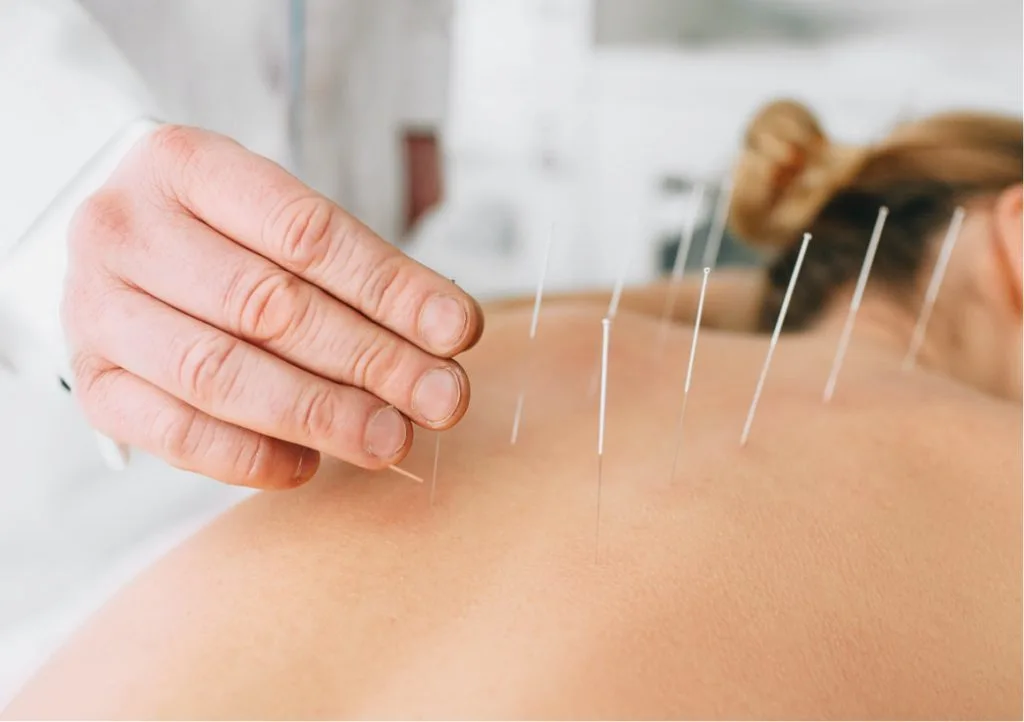
Dry needling uses thin, sterile needles to reach tight muscle bands known as trigger points. These knots can add stress to the hip area, pulling on the structures around the bursa and adding to your pain.
The needle helps the muscle release and improves blood flow to the area, helping reduce pain and improve movement. The term “dry” means that the needle does not inject any medication. The needle itself is the treatment.
During treatment, you may feel a quick twitch or cramp in the muscle, followed by a sense of relief. Some people feel mild soreness after treatment, similar to what you might feel after exercise, which often fades in a day or two.
How Can Dry Needling Help Hip Bursitis?
While dry needling does not directly treat the bursa, it addresses the muscle tightness and trigger points that may be adding pressure around the hip. Tight muscles like the gluteus medius, gluteus minimus, tensor fasciae latae (TFL), and piriformis can contribute to hip bursitis by increasing tension in the hip area.
By using dry needling to release these tight muscles, you can:
- Reduce muscle tension that pulls on the hip structures
- Improve hip flexibility and movement
- Decrease pain during walking, climbing stairs, and sleeping
- Improve strength and stability in the hip area
This can help lower the stress on the bursa and support your body’s healing process.
What to Expect During Dry Needling for Hip Bursitis
Your therapist will assess your hip pain, movement patterns, and muscle tightness. They will identify the tight muscles contributing to your hip pain and explain where the needles will be placed.
During the session, the therapist will insert thin needles into the tight areas. You may feel a quick twitch or a deep ache, which is a normal response. This feeling means the muscle is reacting and releasing tension. After treatment, you may feel soreness for a day, followed by improved movement and less pain.
Is Dry Needling Painful?
Most people tolerate dry needling well. You may feel a quick pinch when the needle is inserted and a brief cramp or twitch. Afterward, the area may feel sore, but many people notice their pain levels improve within a few days.
Other Treatments That Support Recovery
Dry needling is most effective when combined with other treatments, including:
- Manual therapy to improve joint mobility
- Stretching exercises for hip flexibility
- Strengthening exercises for hip and core stability
- Activity modifications to reduce irritation to the hip
Your therapist will create a personalized plan to help you recover safely and effectively.
Exercises That Can Help Hip Bursitis
Strengthening and stretching can help reduce pressure on the bursa and support recovery. Here are some examples:
1. Hip Abductor Strengthening
Strengthening the muscles on the side of your hip can reduce stress on the bursa.
2. Gentle Hip Flexor Stretching
Tight hip flexors can contribute to hip pain. Gentle stretching can help improve mobility.
3. Gluteal Strengthening
Strengthening the glutes can support hip stability and reduce pain during movement.
Your therapist will guide you on safe and effective exercises for your recovery.
When to Seek Help
If you have hip pain that does not improve with rest, stretching, or activity changes, or if your pain limits your daily activities and sleep, seek help. Early treatment can prevent pain from becoming chronic and help you return to your activities faster.
Why Choose Direct Orthopedic Therapy
At Direct Orthopedic Therapy, we focus on personalized care to help you recover from hip bursitis and return to the life you love. Our team uses dry needling, manual therapy, and targeted exercise plans to reduce your pain and improve your movement.
We believe you should not have to live with hip pain. We guide you through each step of your recovery with clear goals and a supportive environment.
Take the First Step Toward Pain Relief
Hip bursitis can limit your life, but you do not have to live with the pain. Dry needling may help reduce your hip pain, improve your movement, and help you return to your favorite activities with confidence.
Call Direct Orthopedic Therapy today to schedule your appointment and find out if dry needling for hip bursitis can help you feel better and move more freely.